

Pest Library
Common Bed Bug
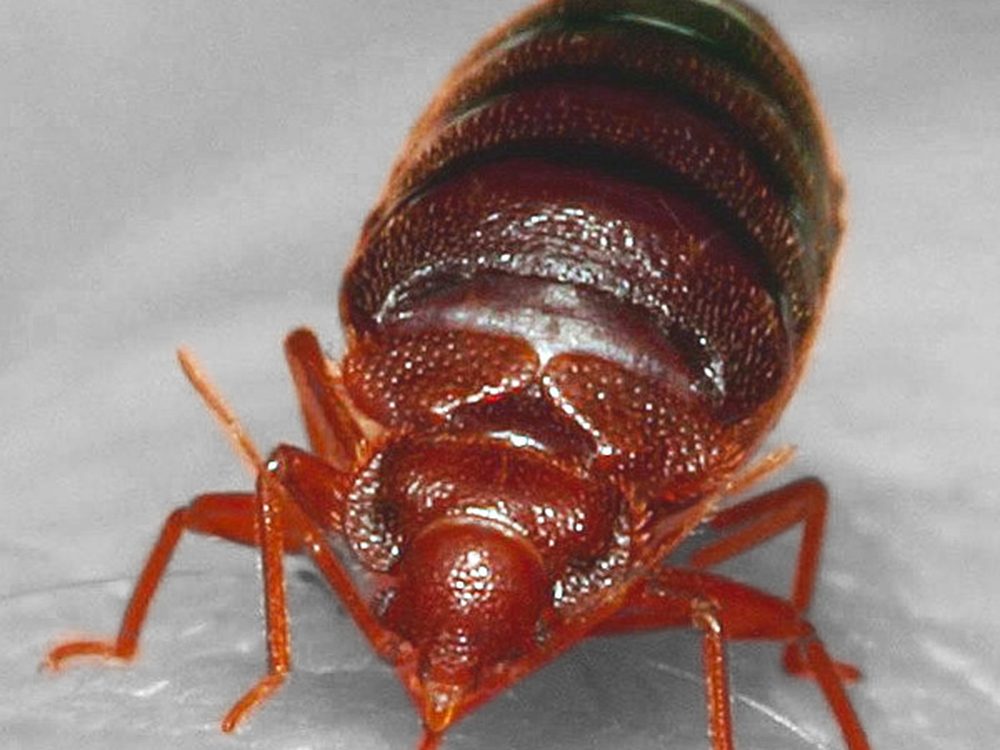
Bed bugs are flat, oval, reddish-brown insects about the size and shape of an apple seed that feed on blood and hide within a few feet of where people sleep. They are spread by travel and by used furniture, not by dirt, and they show up in the cleanest homes and the newest rentals.
Profile
- Scientific name
- Cimex lectularius
- Identification
- Adults are wingless, flattened top to bottom, and reddish-brown, becoming rounder and darker after feeding. Eggs are pearly white and about 1 mm. Shed skins are translucent and hold the adult shape.
- Typical size
- Adults about 1/4 inch (4-5 mm).
- Behavior
- Feeds mostly at night, then returns to tight harborage. Populations concentrate near sleeping areas first and spread outward — nightstands, baseboards, outlet plates, upholstered furniture.
- Habitat
- Mattress and box spring seams, bed frames, headboards, couches, recliners and luggage.
- Diet
- Blood only.
- Lifecycle
- Egg to five nymph stages to adult, with each stage requiring a blood meal. Under warm conditions development commonly completes in about five to seven weeks.
- Why it matters
- Bed bugs are not known to transmit disease. Bites vary widely between people and cannot be used to confirm an infestation on their own — physical evidence is what matters, and a healthcare provider should evaluate any skin reaction that concerns you.
- DIY considerations
- Retail sprays and foggers drive bed bugs deeper into voids and away from sleeping areas, which spreads the problem across more rooms. Vacuuming, laundering on high heat and mattress encasements help, but they do not resolve an established infestation.
- Professional considerations
- Bed Bugs & Beyond treats bed bugs with chemical treatment; heat treatment is not a service we offer. Treatment is inspection-driven, requires specific preparation, and typically involves follow-up visits because eggs continue hatching after the first service. In apartments and hotels, adjoining or stacked units may need inspection depending on what is found.
Signs of activity
- Dark ink-like fecal specks along seams and on box spring fabric
- Small rust-colored smears on sheets
- Translucent shed skins and pearly eggs in seams and screw holes
- Live bugs in mattress piping, headboard joints and bed frame cracks
Prevention
- Inspect hotel and rental beds at the headboard and mattress seams before unpacking
- Keep luggage off beds and upholstered furniture while traveling
- Run travel clothing through a hot dryer cycle when you return
- Inspect any used furniture or mattress carefully before bringing it inside
- Use encasements on mattresses and box springs to make evidence easier to spot
Sources
Related information
Seeing common bed bug at your property?
Book online or request service through our secure customer portal. Tell us what you are seeing and where the property is located.