

Pest Library
Bumble Bee
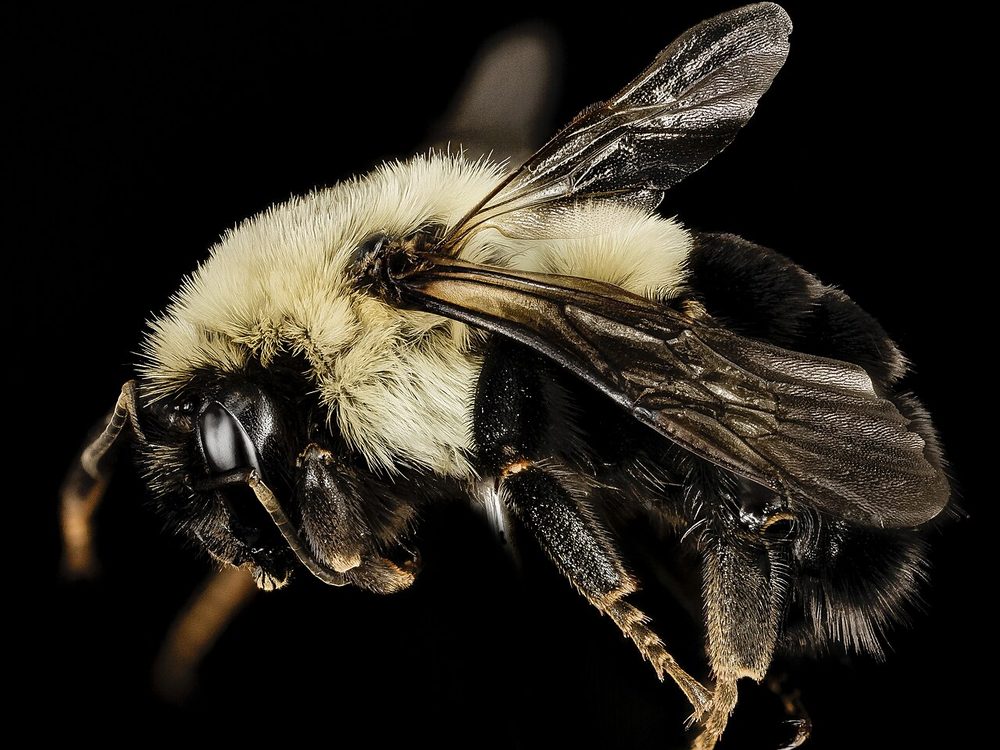
Bumble bees are large, densely fuzzy black-and-yellow bees — including a hairy abdomen, which is the quickest way to separate them from the shiny-bodied carpenter bee. Colonies are small, usually under a few hundred bees, and are built in ground cavities, old rodent burrows, insulation or under sheds and decks.
Profile
- Scientific name
- Bombus spp.
- Identification
- Round, very hairy body with yellow and black bands, hairy abdomen, loud low-pitched flight.
- Typical size
- Workers about 1/2 to 1 inch.
- Behavior
- Generally docile while foraging but will defend a nest that is disturbed, and can sting more than once.
- Habitat
- Ground cavities, mulch piles, under sheds and decks, wall insulation.
- Diet
- Nectar and pollen.
- Lifecycle
- Annual colonies started by an overwintered queen; nests are abandoned by winter.
- Why it matters
- Bumble bees are valuable pollinators. Nests near doorways, play areas or walkways are a sting concern, especially for anyone with a sting allergy.
- DIY considerations
- Where a nest is away from foot traffic, leaving it alone until fall is usually the best option.
- Professional considerations
- We identify bumble bees and, because they are beneficial pollinators, generally recommend avoidance and exclusion for next season rather than treatment. Nests in high-traffic areas are evaluated case by case.
Signs of activity
- Bees entering a small ground opening or gap under a shed or deck
- Loud, low-pitched flight around a specific spot in the yard
- Activity that ends naturally in late fall
Prevention
- Seal gaps under sheds, decks and thresholds before spring
- Reduce unused mulch and debris piles near walkways and play areas
- Mark and avoid a known nest until the colony dies out in fall
Sources
Related information
Seeing bumble bee at your property?
Book online or request service through our secure customer portal. Tell us what you are seeing and where the property is located.